

Your hip carries you through almost everything you do, from getting out of bed to walking the dog. When arthritis or an old injury wears that joint down, even simple movements can start to feel like work. If you live in Fenton or nearby, adult hip reconstruction may help you move with less pain. This article explains what hip reconstruction involves, who it may help, and how to prepare.
What Adult Hip Reconstruction Means
Adult hip reconstruction is a broad term for procedures that restore the structure and function of a damaged hip joint. The most common is total hip replacement, in which the worn ball and socket are replaced with prosthetic components.2 Reconstruction can also include revision surgery, which replaces or adjusts an earlier implant that has become painful or failed, as well as surgery for certain hip fractures.
When you see us, your care is guided by a board certified orthopedic surgeon with fellowship training in adult hip and knee reconstruction, including training at the University of Chicago and Scripps Clinic in San Diego. That training is centered on exactly these kinds of procedures.
Conditions That May Lead to Hip Reconstruction
Hip Osteoarthritis
Osteoarthritis of the hip is the most frequent reason people consider hip replacement. As the cartilage wears away, the bones can rub together, leading to pain, stiffness, and a limp.1
Other Causes of Hip Damage
Inflammatory arthritis, avascular necrosis (a loss of blood supply to the ball of the hip), and injuries such as fractures can also damage the joint over time. Each condition behaves differently, which is why a careful diagnosis comes first.
Signs Hip Reconstruction May Be Worth Discussing
You may be a candidate for evaluation if your hip pain limits walking, bending, or sleep, or if conservative treatments such as medication, activity changes, physical therapy, or injections no longer provide enough relief.1,2 Ongoing hip pain that is felt in the groin or thigh is a common sign that the hip joint itself is involved.
Your Surgical Options
Total Hip Replacement
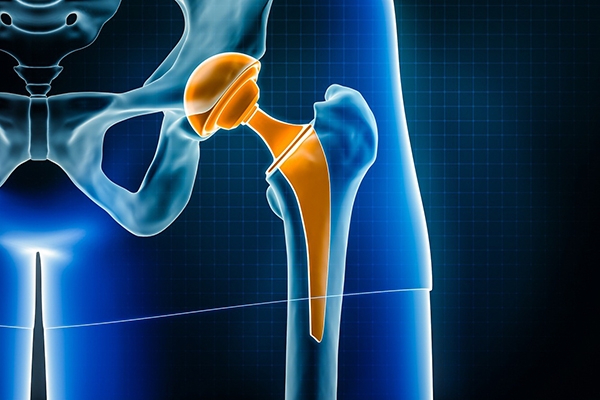
In a total hip replacement, the damaged femoral head is replaced with a metal or ceramic ball, and the socket is resurfaced with a new liner and shell.2 The goal is to relieve pain and help you return to everyday activities.
Mako Robotic Arm Assisted Hip Replacement
With Mako robotic arm assisted total hip replacement, a CT based 3D model of your hip is created before surgery to help plan implant size and position. During the procedure, the system assists with preparing the bone and placing the implants according to that personalized plan.
Outpatient Hip Replacement
For appropriate patients, outpatient hip replacement allows you to go home the same day using minimally invasive approaches and recovery protocols. Whether this is right for you depends on your overall health, your support at home, and other factors we review together.
Revision Hip Replacement
If you already have a hip replacement that has become painful, loose, or unstable, revision surgery may be considered to replace or adjust the original components.
Preparing for Surgery and Recovery
Preparation can make a real difference in how smoothly your recovery goes. Our guide to preparing for surgery covers the steps to take beforehand, and our post operative instructions help you know what to expect once you are home. Recovery typically involves walking soon after surgery with support, along with exercises to rebuild strength and mobility.2 Many people notice a significant reduction in pain, although every recovery is individual. Following your exercise plan, keeping your follow up visits, and reporting any new pain, fever, or wound changes promptly all help protect your new hip as it heals.
FAQs
What is the difference between hip reconstruction and hip replacement?
Hip replacement is one type of hip reconstruction. Reconstruction is the broader category and can also include revision of an earlier implant and surgery for certain fractures.
How do you know if you are ready for a hip replacement?
You may be ready when hip pain limits your daily life and conservative treatments no longer bring enough relief. A full exam and imaging help confirm whether surgery is the right next step.
Can you have hip reconstruction close to home in Fenton, MI?
Yes, you can be evaluated at our OrthoMichigan Fenton office on Silver Parkway. We also see patients at our Flint office on W. Bristol Road.
Is robotic arm assisted hip replacement right for you?
It may be, depending on your anatomy and the type of procedure you need. During your visit, we explain whether Mako planning is a good fit for your hip.
Can you go home the same day after hip replacement?
Some patients can go home the same day after an outpatient hip replacement. Eligibility depends on your health, your home support, and the details of your procedure.
Find Hip Reconstruction Care in Fenton
If hip pain is keeping you from the life you want, you deserve clear answers and a plan made for you. Our Fenton and Flint offices welcome patients from across the region, including Hartland and Flushing. You can schedule a hip evaluation online or call our office to begin.
References
- American Academy of Orthopaedic Surgeons. Hip Osteoarthritis. OrthoInfo. https://orthoinfo.aaos.org/en/diseases--conditions/osteoarthritis-of-the-hip/
- American Academy of Orthopaedic Surgeons. Total Hip Replacement. OrthoInfo. https://orthoinfo.aaos.org/en/treatment/total-hip-replacement/
Seann Willson, MD, is a board certified orthopedic surgeon who specializes in adult hip and knee reconstruction. Dr. Willson trained at the University of Chicago and completed fellowship training in adult hip and knee reconstruction at Scripps Clinic in San Diego. Dr. Willson's practice focuses on hip and knee replacement, including Mako robotic arm assisted surgery, with more than 2,000 Mako procedures performed. Dr. Willson practices with OrthoMichigan, seeing patients at offices in Flint and Fenton and caring for people from nearby communities, including Flushing and Hartland.